Understanding Camera Sensor Sizes
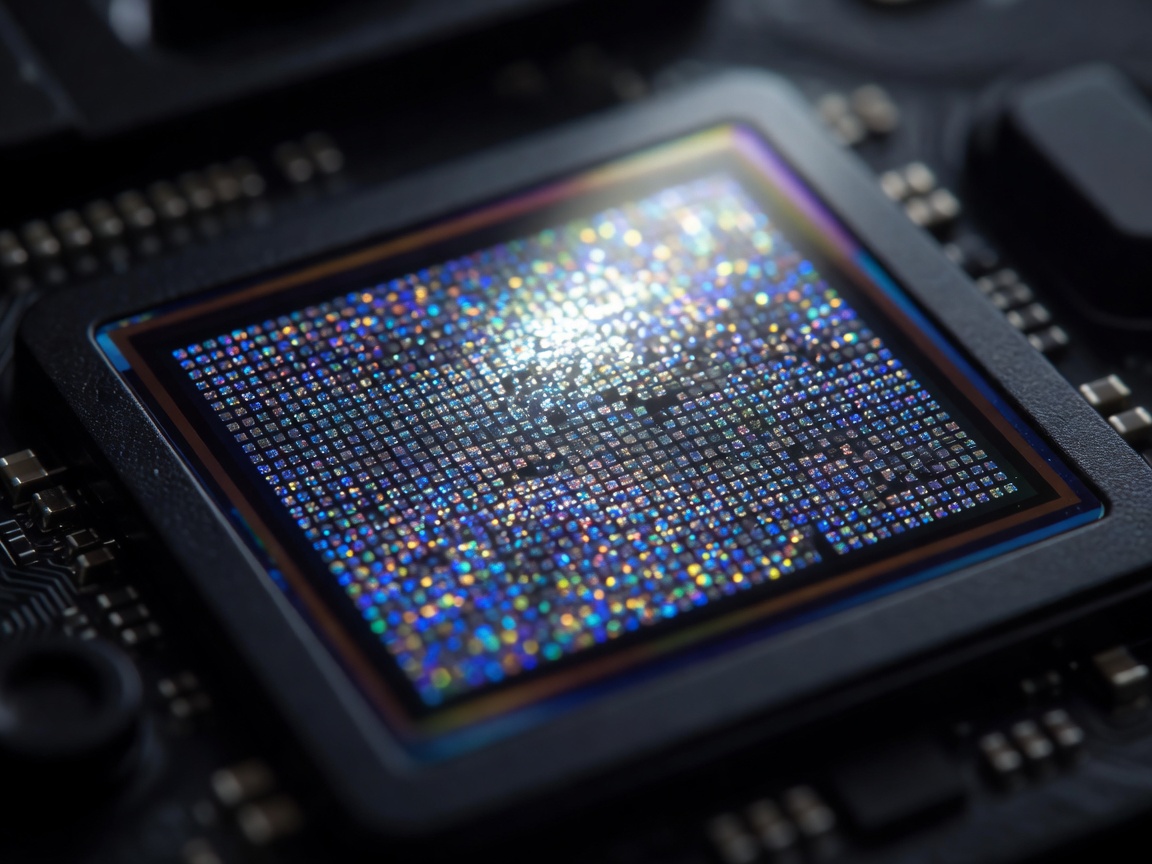
The image sensor is the heart of any digital camera. Its physical dimensions dictate everything from low-light performance to the apparent focal length of your lenses.
Introduction to Sensor Formats
When light passes through a camera lens, it strikes the image sensor, a solid-state device containing millions of photosites (pixels). While megapixel count heavily influences marketing, the physical size of the sensor is a far more critical metric for determining overall image quality, dynamic range, and field of view. A larger sensor with the same number of pixels as a smaller sensor will have larger individual photosites, allowing it to capture more light and produce a cleaner signal.
Full Frame (The 35mm Standard)
The term "Full Frame" refers to a sensor size that matches standard 35mm film, measuring approximately 36mm by 24mm. Because it serves as the historical baseline for consumer and professional photography, it is the standard against which other formats are measured.
Full frame sensors excel in low-light environments. Because of their large surface area, they typically exhibit high signal-to-noise ratios, resulting in cleaner images at high ISO settings. Additionally, they offer shallower depth of field at equivalent focal lengths and apertures compared to smaller sensors, making them highly desirable for portrait and cinematic work where isolating the subject from the background is key.
APS-C (Crop Sensors)
APS-C (Advanced Photo System type-C) sensors measure roughly 23.6mm by 15.6mm (though exact dimensions vary slightly between manufacturers). They are significantly smaller than full frame, introducing what is known as a "crop factor." For most APS-C cameras, this crop factor is 1.5x (or 1.6x in some systems).
The crop factor means a lens designed for a full frame camera will provide a narrower field of view when mounted on an APS-C body. A 50mm lens behaves like a 75mm lens on a 1.5x crop sensor. This is highly advantageous for wildlife and sports photographers who require extra reach from their telephoto lenses. Furthermore, APS-C camera bodies and lenses are generally more compact, lighter, and more affordable than their full-frame counterparts.
Micro Four Thirds (MFT)
Developed jointly as an open standard, the Micro Four Thirds system uses a sensor measuring 17.3mm by 13mm, resulting in a 2.0x crop factor compared to full frame. This aggressive crop factor allows for incredibly small and lightweight lenses, making MFT systems popular for travel photography and documentary filmmaking.
While the smaller sensor does compromise absolute low-light performance and makes achieving a very shallow depth of field more difficult, MFT cameras often feature exceptional in-body image stabilization (IBIS). The lighter sensor mass is easier to stabilize, allowing users to shoot handheld at slower shutter speeds, which can partially offset the high-ISO disadvantage.
Medium Format Systems
Sitting above full frame are medium format digital sensors. While smaller than traditional medium format film, digital medium format sensors (often measuring around 44mm by 33mm or larger) provide unmatched resolution, tonal gradation, and dynamic range. These systems are typically employed in high-end commercial, fashion, and landscape photography where maximum detail is required.
The trade-offs for medium format include high system costs, larger physical dimensions, slower burst rates, and often less sophisticated autofocus systems, though recent advancements are rapidly closing the performance gap in these areas.
The Physics of Depth of Field
It is a common misconception that smaller sensors physically alter the focal length of a lens or inherently increase depth of field. The physical properties of the lens remain constant. However, to frame a subject identically with a smaller sensor, you must either use a shorter focal length or move further away from the subject. Both of these actions increase the depth of field. Therefore, equivalent framing on a smaller sensor results in a deeper depth of field compared to a larger sensor at the same aperture setting.
Choosing the Right Format
Selecting a sensor size is an exercise in balancing compromises. If absolute image quality, shallow depth of field, and low-light capability are paramount, full frame or medium format are ideal. If portability, cost, and telephoto reach are priorities, APS-C and Micro Four Thirds systems offer tremendous value. Modern sensor technology has advanced to a point where all of these formats are capable of producing professional-grade imagery when used appropriately.